Address
Verdanfarm — 4439 Sunset Blvd, Los Angeles, CA 90027, USA
Work Hours
Monday to Friday: 7AM - 7PM
Weekend: 10AM - 5PM
Address
Verdanfarm — 4439 Sunset Blvd, Los Angeles, CA 90027, USA
Work Hours
Monday to Friday: 7AM - 7PM
Weekend: 10AM - 5PM

Most Canadian cannabis consumers still encounter confusion about basic product terms and legal guidelines. With over half of surveyed Canadian buyers reporting misunderstandings about cannabis categories, the risk of misinformation is real. Getting familiar with accurate terminology helps avoid costly mistakes and makes shopping for safe, legal cannabis much easier. This guide breaks down essential cannabis vocabulary, highlights key compounds, and offers clear tips for every Canadian ready to shop with confidence.
Table of Contents
| Point | Details |
|---|---|
| Understanding Cannabinoids | THC and CBD are the primary cannabinoids; THC is psychoactive while CBD offers therapeutic benefits without intoxication. |
| Focus on Chemical Profiles | Instead of traditional strain labels like Indica or Sativa, consumers should consider cannabinoid and terpene profiles for a better understanding of effects. |
| Diverse Consumption Methods | Options include smoking, edibles, tinctures, and topicals, each affecting absorption and duration of effects differently. |
| Know Legal Regulations | Familiarize yourself with possession limits, purchase age, and requirements for legal cannabis use in your province to ensure compliance. |
Navigating the world of cannabis requires understanding its complex terminology, which can often be perplexing for both new and experienced consumers. The cannabis landscape is riddled with technical terms, scientific classifications, and cultural expressions that can leave buyers feeling overwhelmed. Pubmed research highlights how vague terminology frequently leads to public misperceptions regarding medical cannabis indications.
Key terminology spans several crucial categories. Cannabinoids represent the primary chemical compounds found in cannabis plants, with THC (tetrahydrocannabinol) and CBD (cannabidiol) being the most recognized. THC produces psychoactive effects, while CBD offers potential therapeutic benefits without intoxication. Understanding these fundamental distinctions helps consumers make informed purchasing decisions. The comprehensive terminology guidelines from Oaksterdam University emphasize the importance of precise language in discussing cannabis.
Common misconceptions often arise from oversimplified understanding of cannabis varieties. Indica, Sativa, and Hybrid are strain classifications frequently misunderstood by consumers. Contrary to popular belief, these categories do not definitively predict a product’s effects. Modern scientific research suggests that cannabinoid and terpene profiles matter more than broad strain classifications. Consumers should focus on specific chemical compositions and desired outcomes rather than relying on traditional strain stereotypes.
To navigate cannabis terminology effectively, buyers should prioritize learning about:
By developing a nuanced understanding of cannabis language, consumers can make more educated choices, reduce misunderstandings, and approach cannabis products with greater confidence and clarity.
Cannabis consumers today have access to an increasingly diverse range of product types, each offering unique consumption experiences and potential benefits. Health Canada’s official guidelines outline several primary cannabis product classifications, providing a comprehensive framework for understanding these variations.
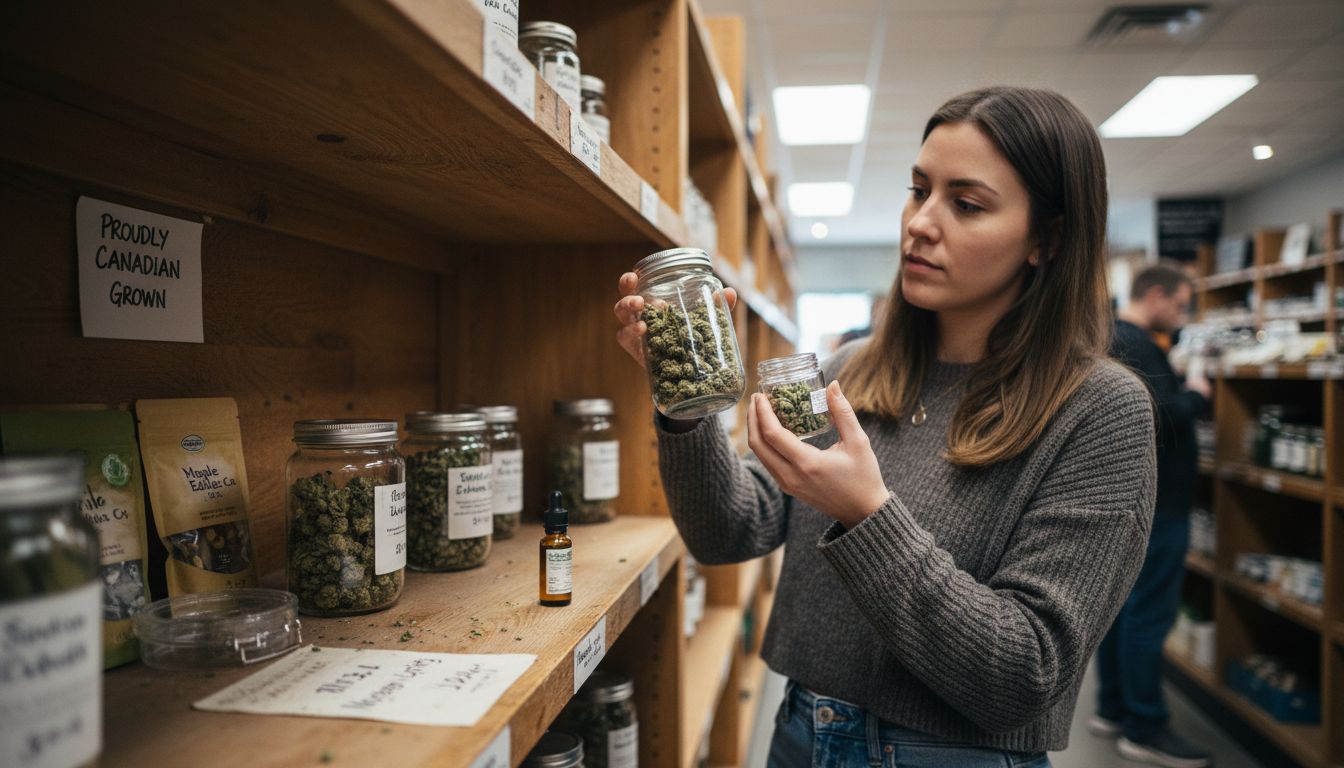
The expanding product landscape includes several key varieties:
Modern cannabis products prioritize consumer choice, safety, and targeted experiences. Understanding these diverse options empowers buyers to select products aligned with their specific wellness goals, recreational preferences, and personal comfort levels.
Pubmed research examining cannabinoid pharmacology reveals the complex chemical landscape of cannabis, highlighting three primary compound categories that define the plant’s unique characteristics. Tetrahydrocannabinol (THC) and Cannabidiol (CBD) represent the most prominent cannabinoids, while terpenes contribute to the plant’s nuanced effects and sensory profile.
THC stands out as the primary psychoactive compound responsible for the characteristic “high” associated with cannabis consumption. Unlike THC, CBD offers therapeutic potential without intoxicating effects, making it increasingly popular among medical and wellness-focused consumers. Cannabis compound interactions demonstrate a sophisticated biochemical ecosystem) where these molecules work synergistically, a phenomenon known as the “entourage effect”.
Key characteristics of these compounds include:
Understanding these compounds empowers consumers to make informed choices about cannabis products, recognizing that individual experiences can vary based on unique physiological responses and specific product compositions. The interplay between THC, CBD, and terpenes creates a complex biochemical landscape that continues to fascinate researchers and consumers alike.
Health Canada’s official guidelines outline the primary methods of cannabis consumption and extraction techniques, providing consumers with a comprehensive understanding of how cannabis products are prepared and consumed. The diverse landscape of consumption methods reflects the plant’s versatility and individual user preferences.

Consumption methods range from traditional smoking and vaporization to more modern approaches like oral ingestion and topical application. Inhalation remains the most rapid method of cannabinoid absorption, with smoke and vapour delivering active compounds directly to the bloodstream through lung tissue. Oral consumption, including edibles and tinctures, offers a slower onset but typically provides longer-lasting effects. Substance use research highlights the nuanced differences between various cannabis consumption techniques, emphasizing the importance of understanding individual metabolic responses.
Extraction processes critical to creating concentrated cannabis products include:
Understanding these methods empowers consumers to make informed choices about product selection, considering factors like onset time, duration of effects, and personal health considerations. Each consumption method and extraction technique offers unique advantages, allowing users to customize their cannabis experience to match specific wellness or recreational goals.
Health Canada’s comprehensive legal framework provides critical guidance for cannabis consumers navigating the complex landscape of legal cannabis purchase and consumption. Understanding the regulatory environment is crucial for responsible and compliant cannabis use in Canada.
Key legal considerations for Canadian consumers include age restrictions, possession limits, and purchasing regulations. Legal purchase age is typically 19 years or older, depending on the province, with strict documentation requirements for online and in-person transactions. Substance use research highlights the importance of understanding safety protocols and legal boundaries surrounding cannabis consumption.
Essential legal and safety terms every Canadian consumer should understand:
Responsible cannabis consumption demands awareness of evolving legal landscapes, personal safety considerations, and community regulations. Consumers must stay informed about provincial variations in cannabis laws, potential legal implications, and best practices for safe and legal cannabis use.
Oaksterdam University’s comprehensive terminology guide provides crucial insights for navigating the complex online cannabis marketplace. Understanding precise product descriptors is essential for making informed purchasing decisions and avoiding potential confusion about product characteristics, potency, and intended use.
Online cannabis shopping requires careful attention to specific terminology and labelling details. Strain names, cannabinoid percentages, and terpene profiles can significantly impact consumer expectations. Substance use research emphasizes the importance of interpreting product information accurately, highlighting potential misunderstandings that arise from ambiguous product descriptions.
Key strategies for avoiding online shopping misunderstandings include:
Successful online cannabis shopping demands critical reading skills, scientific curiosity, and a willingness to research product details thoroughly. Consumers who approach online purchases with careful scrutiny and informed skepticism can confidently navigate the complex digital cannabis marketplace, ensuring they select products that precisely match their wellness or recreational objectives.
Understanding cannabis terminology can feel overwhelming. Terms like THC, CBD, terpenes, and consumption methods are key to making smart choices but often leave buyers confused. The article “Cannabis Terminology Explained: What Buyers Need to Know” highlights how crucial it is to grasp these details in order to avoid misunderstandings and find the products that truly fit your needs.
At GreenSociety.cc, we make this learning seamless and shopping easy. With clear product descriptions featuring cannabinoid profiles and consumption options you can trust, you will gain clarity and confidence. Experience our wide selection of flowers, edibles, concentrates, and more — all available with discreet, fast delivery right to your door.